The Role of the Unipa LPPM Team in Global Efforts to Restore and Maintain
Leatherback Turtle Populations in the Pacific
Penulis
Tim S4C UNIPA
Tanggal
28 Juni 2021
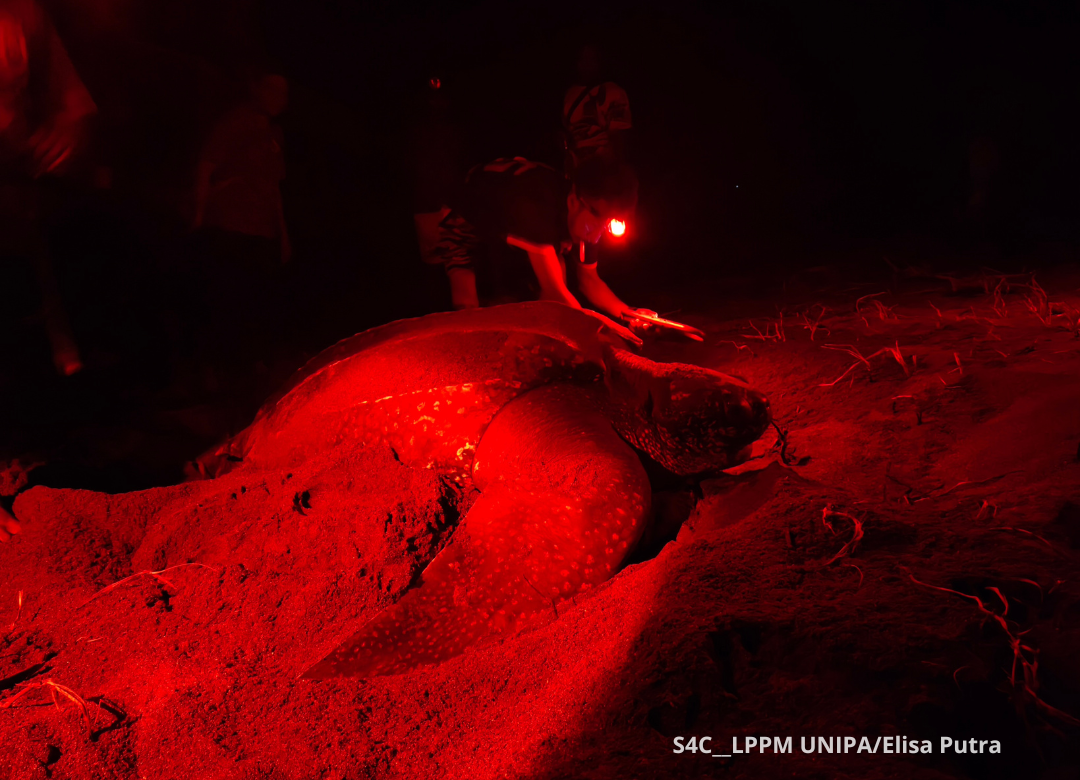
The western coastal region of the United States is one of the main feeding destinations for leatherback turtles that lay eggs in the Bird’s Head region in West Papua. Research and protection efforts are carried out on both sides of the Pacific Ocean. An analysis of 30 years of monitoring data on leatherback turtle numbers in California by Benson et al (2020) shows that numbers are declining 5.6% per year, comparable to the rate of decline on nesting beaches. The results of this study were published in the journal Global Ecology and Conservation in December 2020.
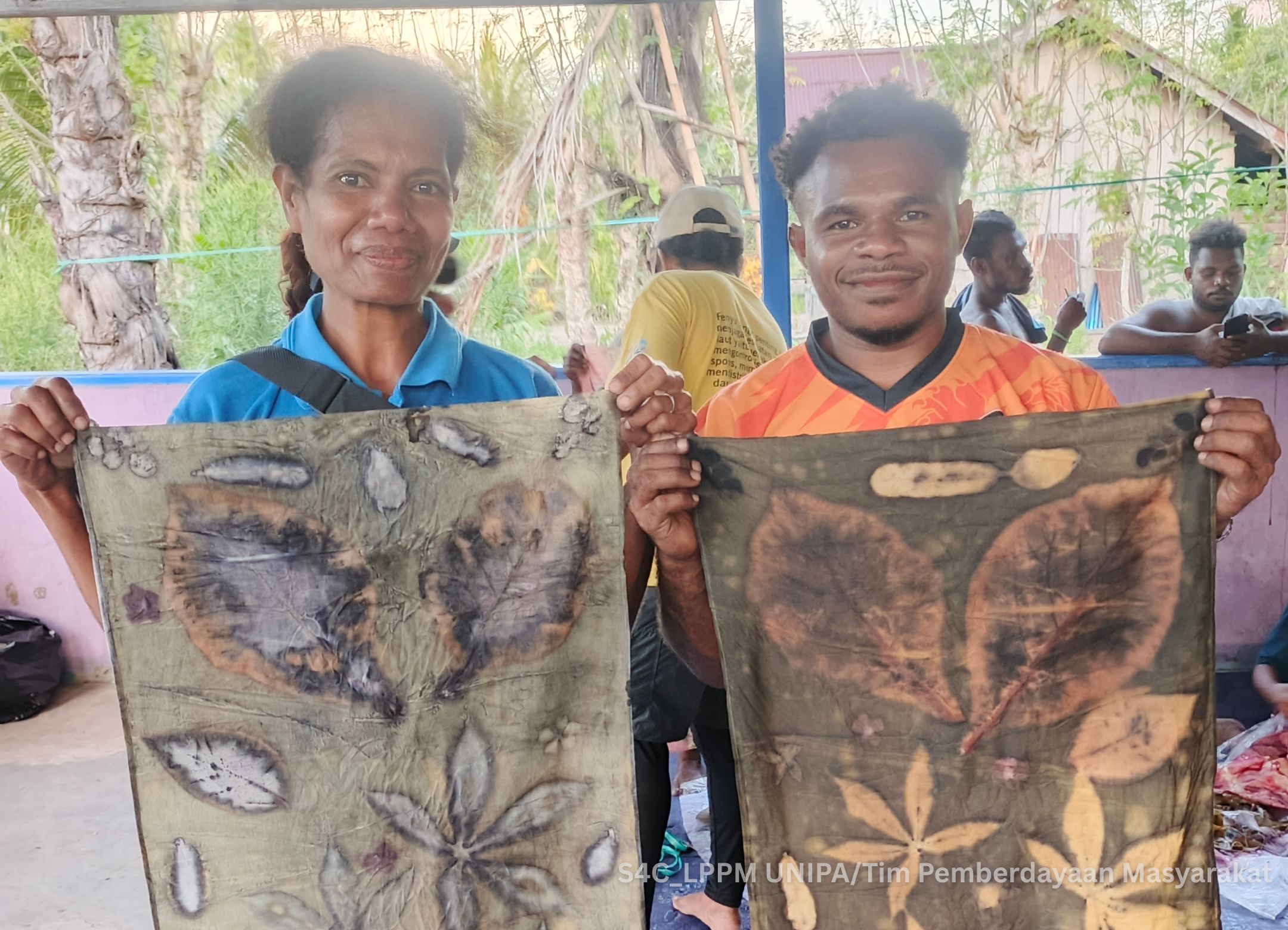
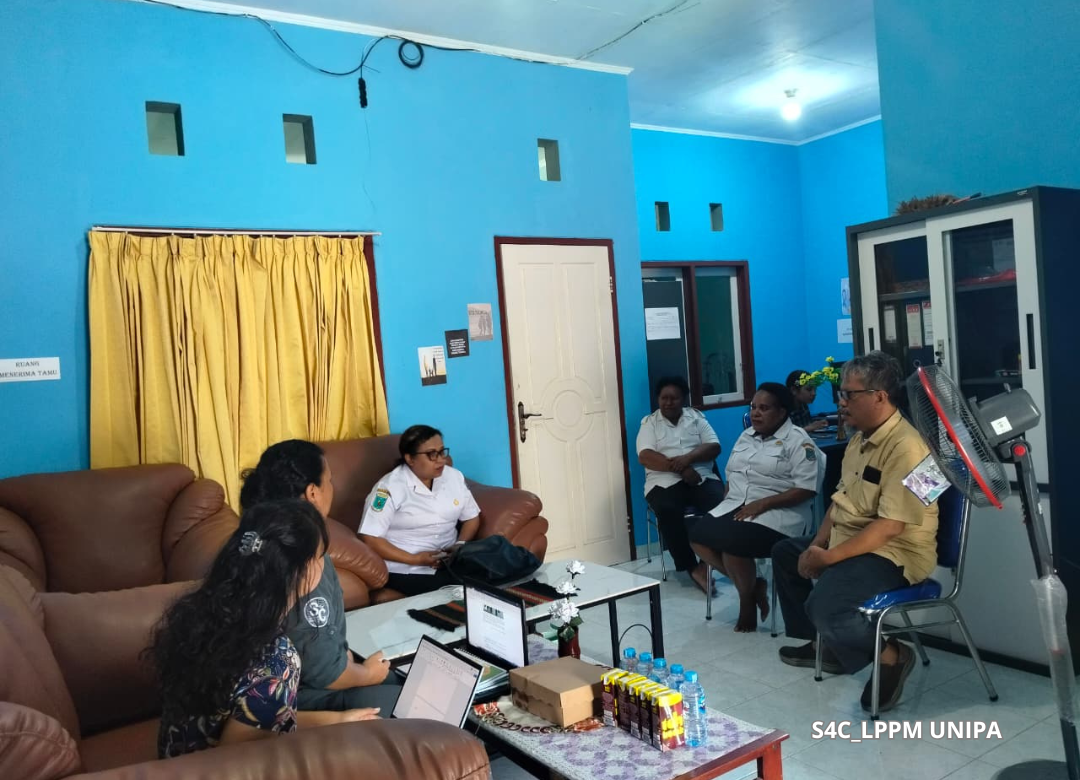
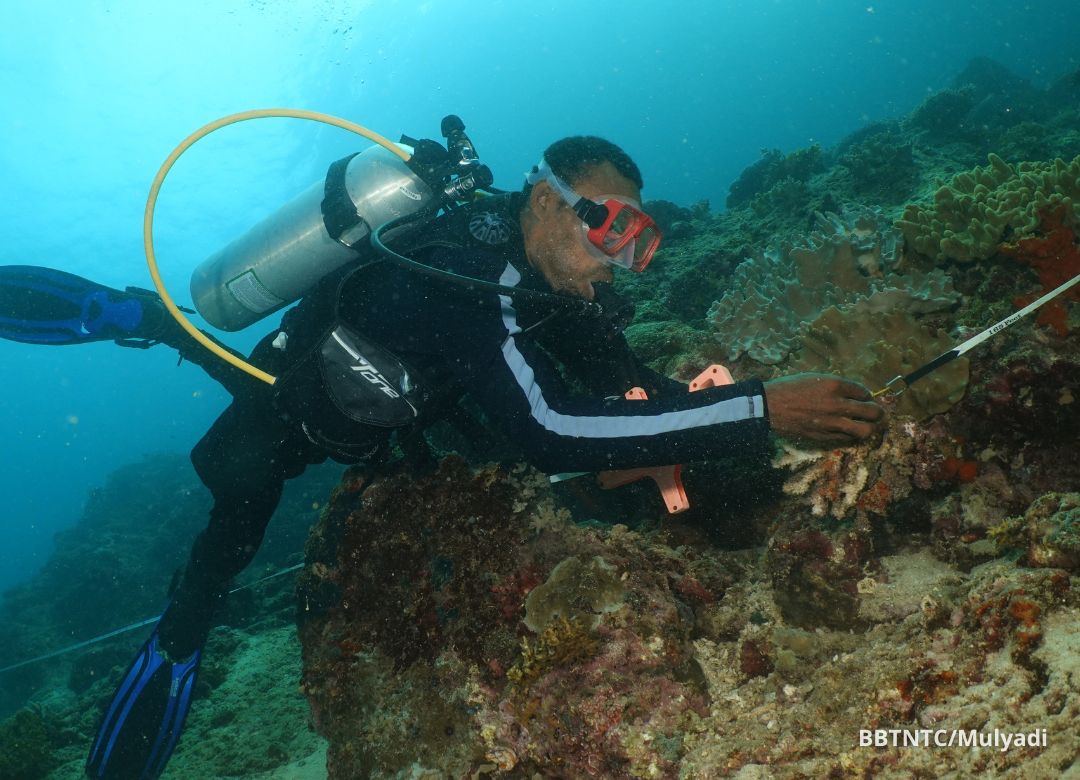
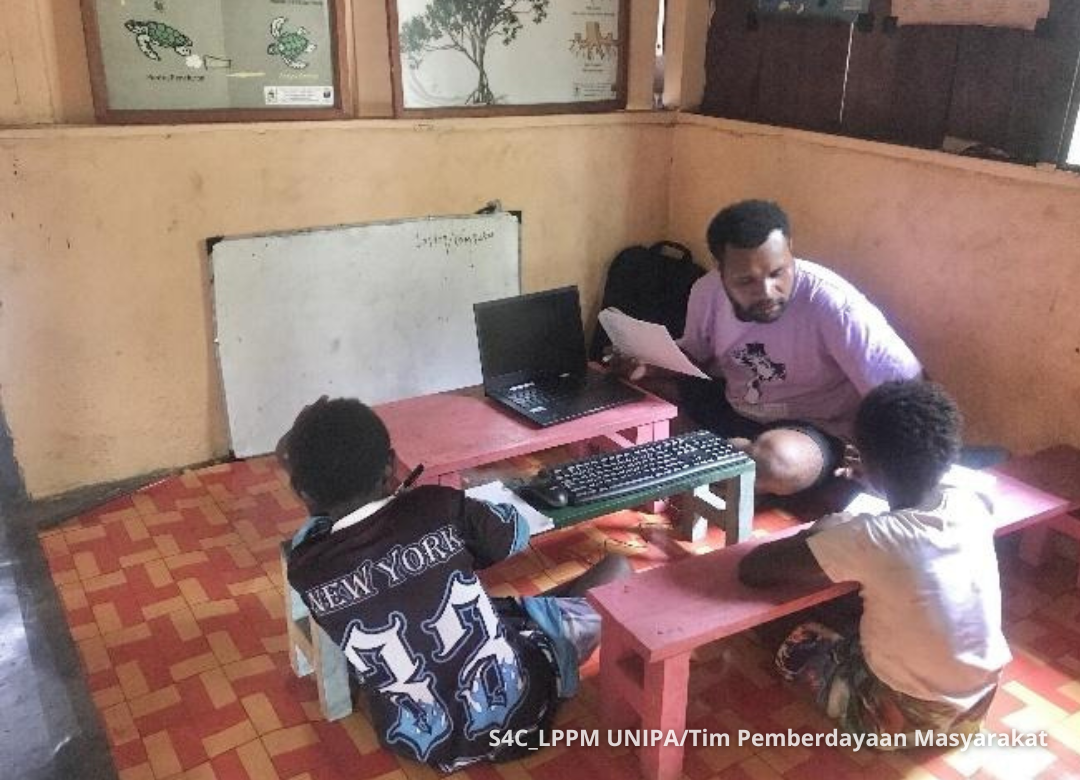
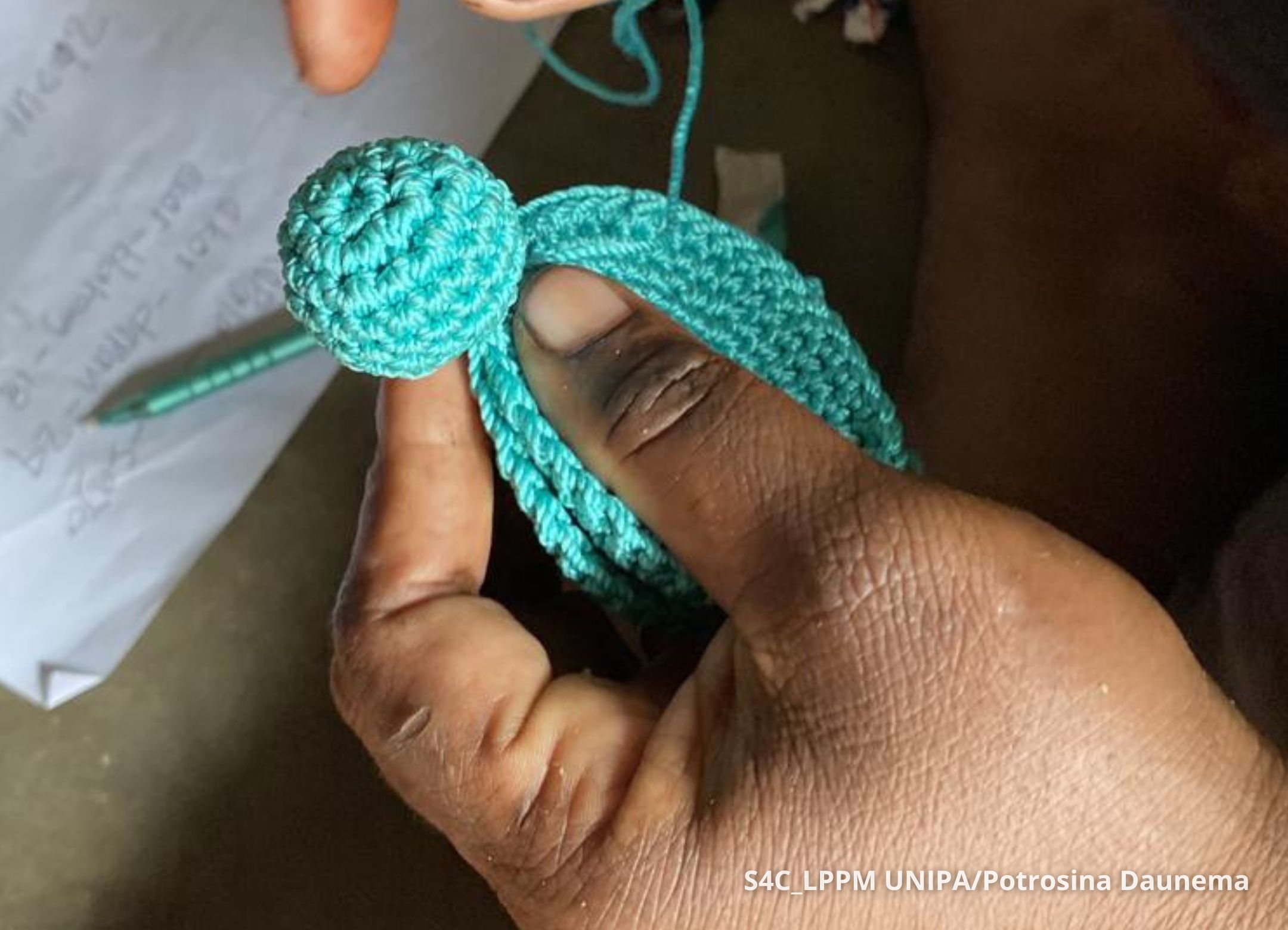
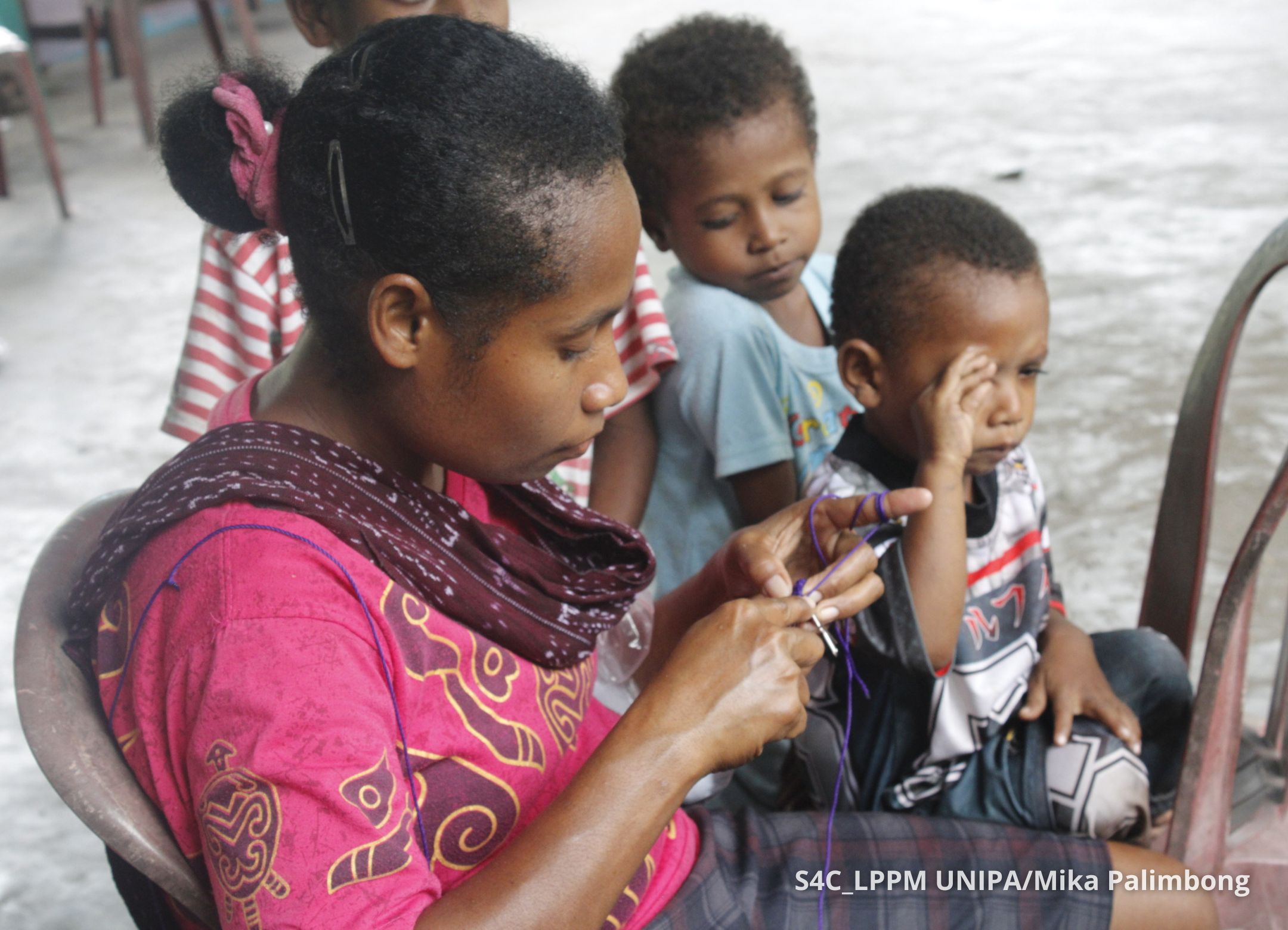
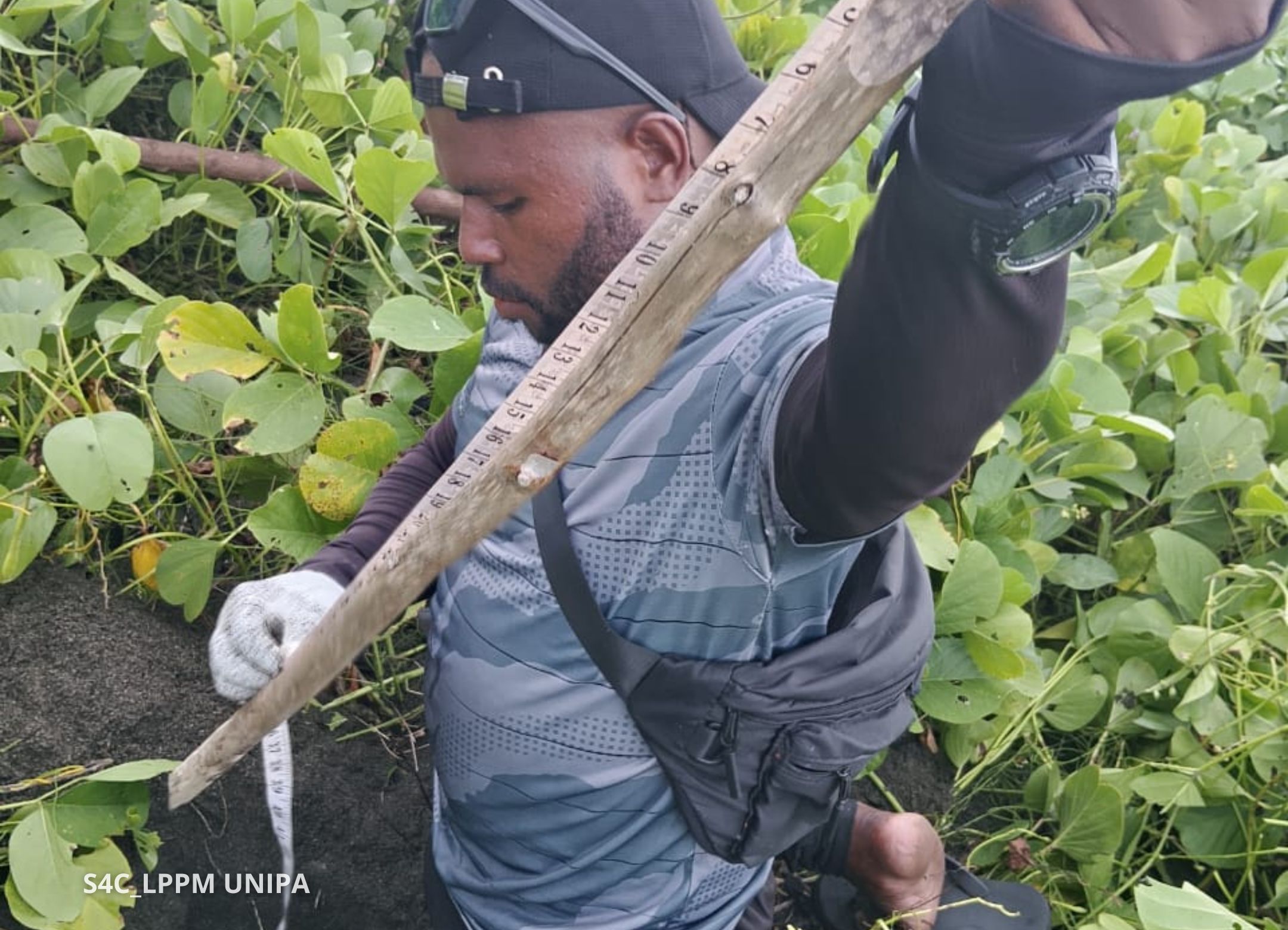
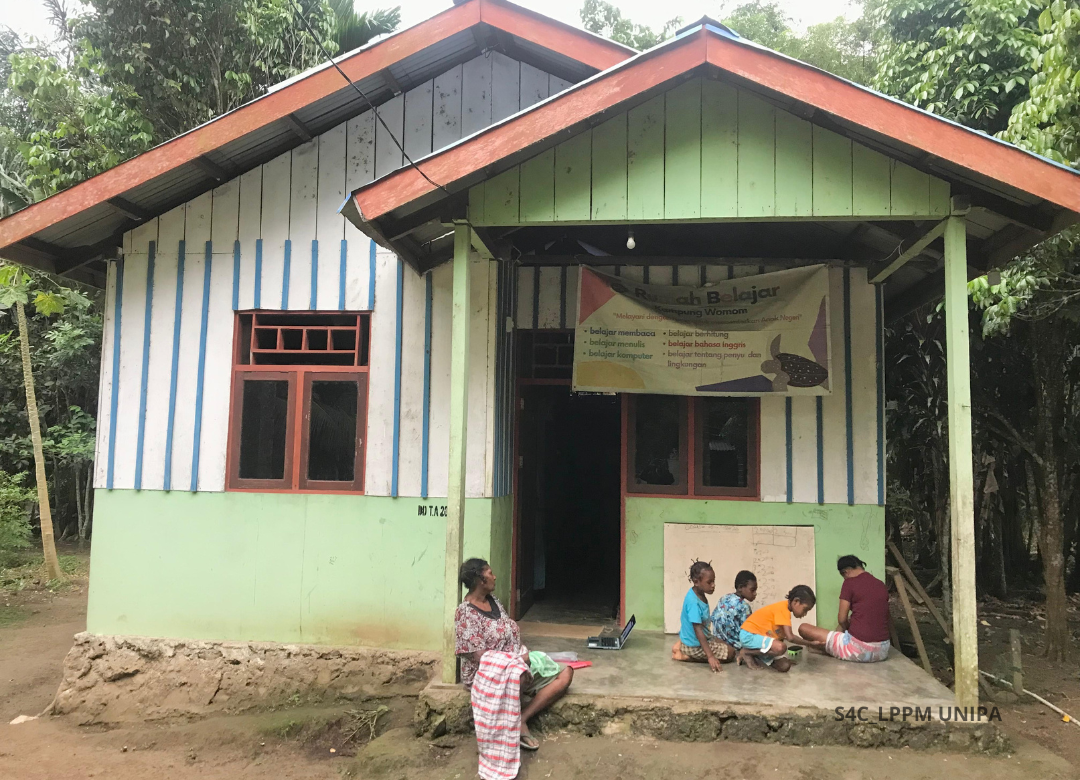
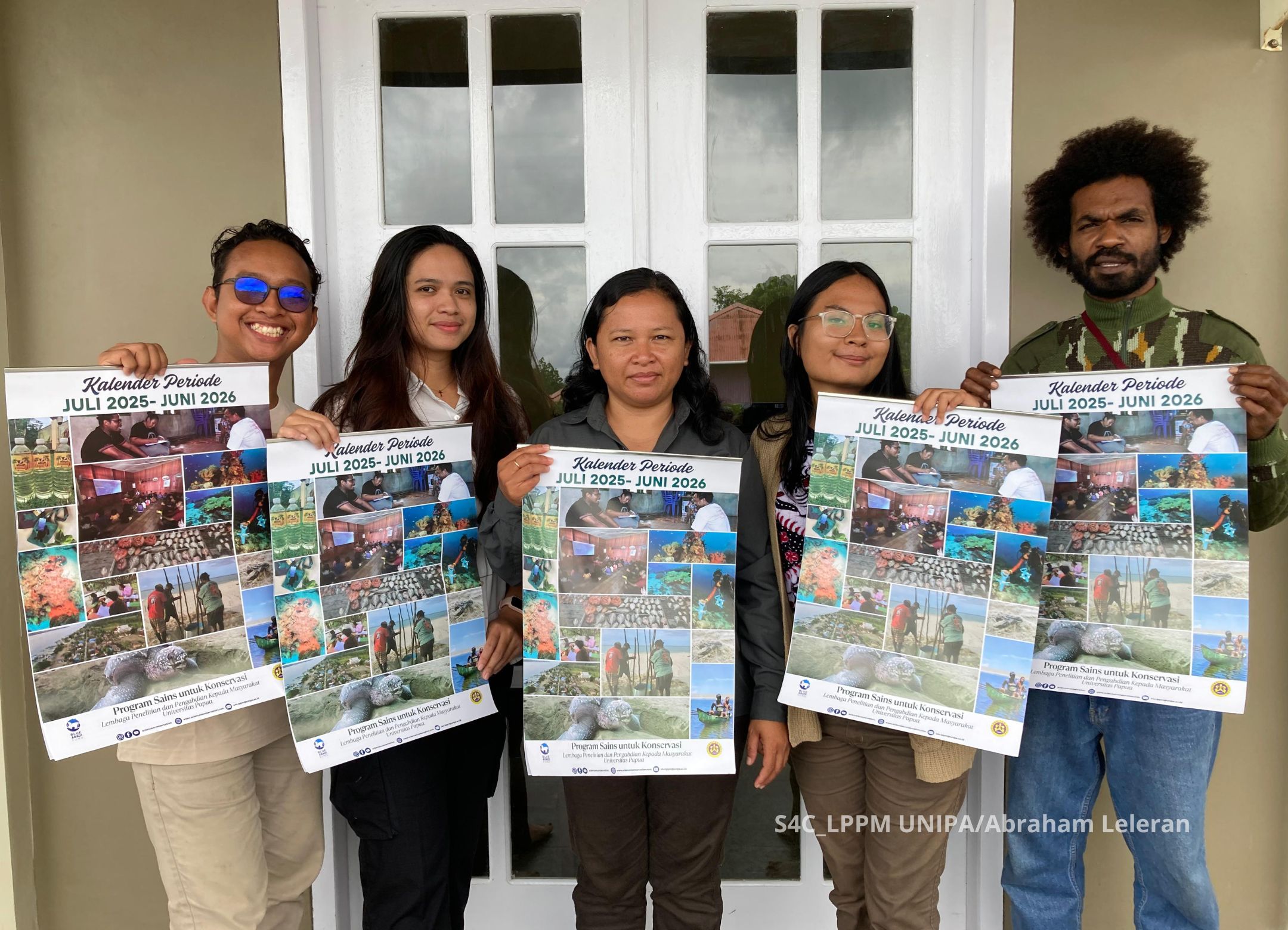
LPPM University of Papua is taking part in global efforts to restore leatherback turtle populations. At the nesting beaches of Jeen Yessa and Jeen Syuab in Tambrauw Regency, the UNIPA LPPM team is trying to protect leatherback turtle nests to maximize hatchling production. In the villages near the nesting beaches, the UNIPA LPPM team is working to increase the capacity of local communities so that they can continue to protect turtles. The UNIPA LPPM team also collaborates with local governments for the sustainability of leatherback turtles in the Pacific.
Read stories about leatherback turtles in the Pacific, global efforts to preserve them, and the contribution of the UNIPA LPPM team here:
References: Benson, SR, Forney, KA, Moore, JE, LaCasella, EL, Harvey, JT, & Carretta, JV (2020). A long-term decline in the abundance of endangered leatherback turtles, Dermochelys coriacea, at a foraging ground in the California Current Ecosystem. Global Ecology and Conservation, 24, e01371

 Science for Conservation